Buying Raw Land? 5 Lessons We Learned The Hard Way
We had big dreams when buying land—visions of gardens, goats, and a cozy home—but reality hit hard once we settled in. Here’s a breakdown of what we learned the hard way buying raw land:
1. Lots Of Trees And Brush Don’t Always Mean Good Soil
When we first saw the property, we thought the abundance of trees and brush meant decent soil. But most of the trees are blackjacks, which aren’t great for the land and don’t offer much beyond shade. We’ll need to remove them and replace them with fruit and hardwood trees. The poor soil also created the perfect environment for thorny weeds—what we call “stickers”—which thrive in this type of ground.
2. Not All Plants Are Beneficial
At first, we were drawn to the land’s overgrown beauty, thinking the greenery was a good sign. But we quickly realized that most of the plants weren’t helpful at all. We had thorny bushes we called “stabby guys,” poison ivy, and plenty of invasive species. Worst of all, ticks loved these areas. Every time we went into the brush, we’d come back with at least eight ticks. It became a constant nuisance that we had to actively deal with.
3. A Dry Creek May Look Pretty, But It’s Not Practical
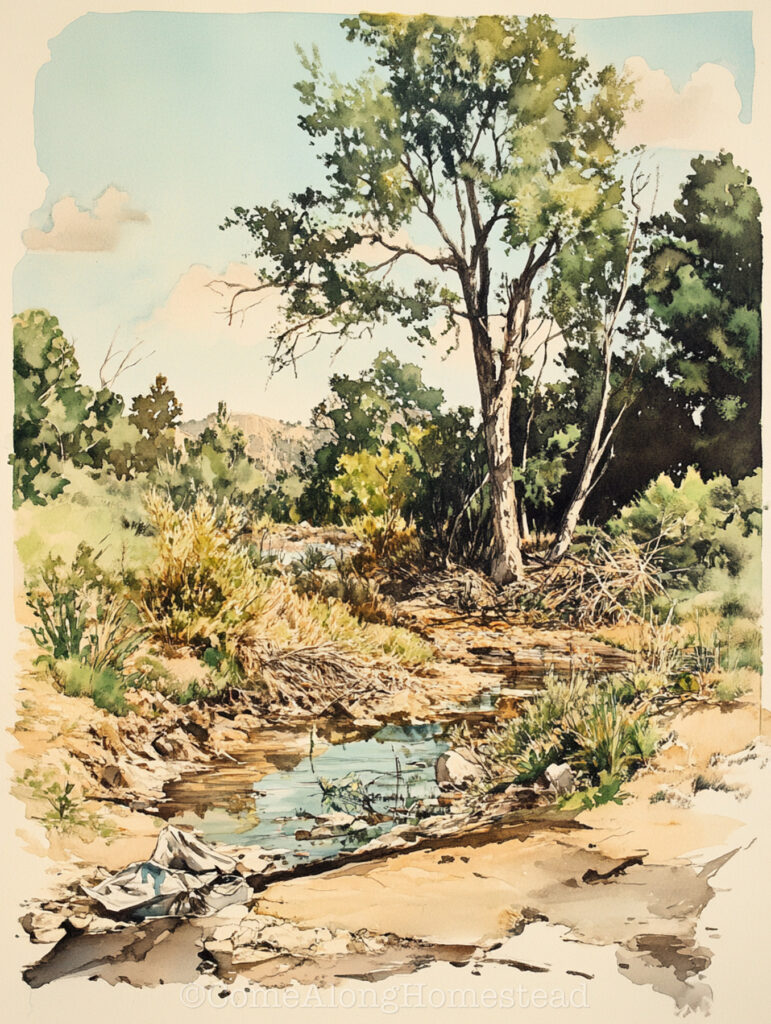
The dry creek on the property seemed charming at first. We imagined it as a fun play area for our kids. What we didn’t realize was that the creek had been used as a dumping ground. The previous owner had filled it with trash—old cans, TVs, carpets, and more. The plants had concealed the mess, so we didn’t notice until after the purchase. The creek also cuts diagonally through the land, which creates runoff issues and makes it harder to find a good spot to build. If we had more space, we could work around it, but with just one acre, it’s something we’ll need to clean up. It’s manageable, but not ideal. Luckily, our land is not in a flooding zone and the amount of rain collecting on the property (so far) is minimal. But this is something we will have to keep and eye on and consider if we build.
4. A Preinstalled Well And Septic May Limit Your Options
At first, having a well and septic system already installed seemed like a great benefit. But their placement, combined with the dry creek, limited our building options. The only good spot for construction is closer to the main road than we’d like. If we’d taken the time to evaluate the layout more carefully, we might have chosen a different property. If you’re buying land with existing infrastructure, make sure to check where the well and septic are located in relation to your desired building site. These factors can affect your plans more than you realize.
5. Dirtwork Is Expensive And Needs A Lot Of Labor
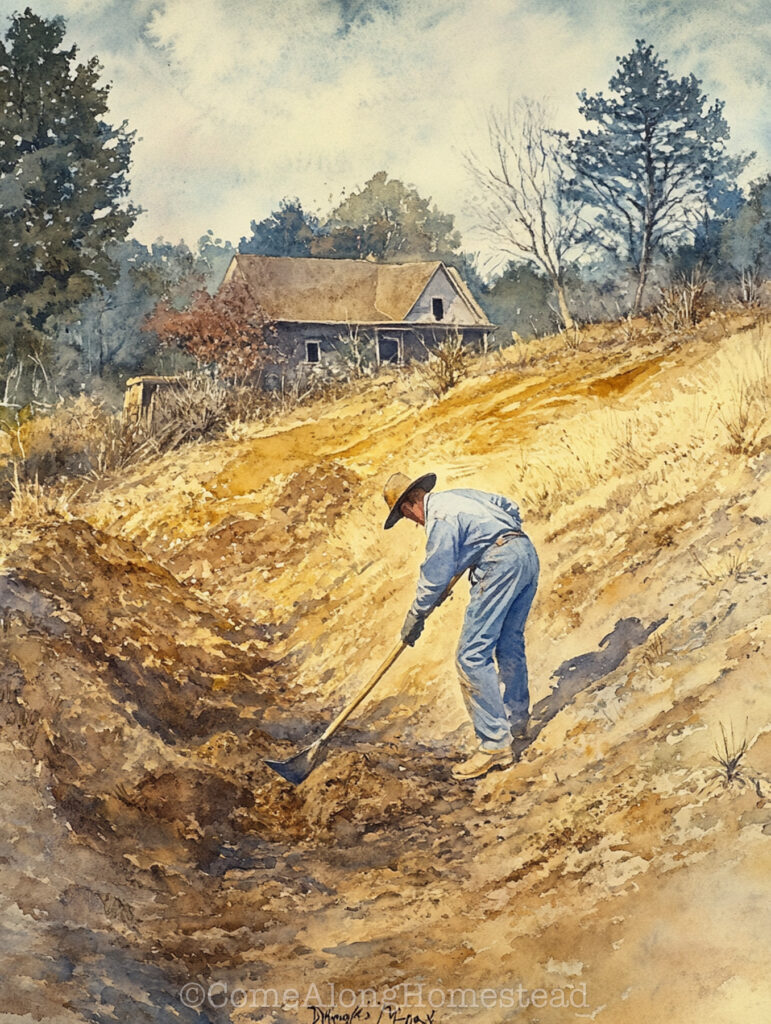
When we first saw the land, we were drawn to the campground feel—those tall trees and winding trails—something we had always wanted. But we didn’t account for the grade of the land. To build a home or even lay down a paved road, you need a flat, level area. Unfortunately, much of our land was sloped, so we had to do a lot of dirt work just to get our RV leveled, let alone prepare spaces for other buildings. Since we’re near a dry creek, the land is prone to runoff, leaving little to no flat ground. As a result, leveling and building are ongoing challenges we’ll need to keep addressing moving forward.
Conclusion
These are the things we wish we’d evaluated more carefully before purchasing our land. Don’t get me wrong, we still love living here far more than in the city, but there are definitely aspects we hadn’t fully considered. Our goal is to help you avoid making the same mistakes. Take the time to thoroughly assess the land—visit it a few times, talk it through, and consider all the details before committing, especially when dealing with raw land. The possibilities may seem endless, and there’s a lot you can do, but it’s important to remember that there are limitations. You might find that some of the things you thought you could do aren’t as feasible as they initially seemed.