Are You Really Gluten Free? Could It Be Glyphosate?
The Surprising Link Between Gluten and Glyphosate
I’m excited to share something that’s been life changing for our family—glyphosate-free wheat berries. This discovery helped my husband, Adam, go from being gluten-free for years to enjoying freshly milled whole wheat again. His journey might surprise you—and who knows, it could even help you too.
What is Glyphosate?
So, what exactly is glyphosate? It’s the main ingredient in Roundup, and it’s commonly used on commercial wheat crops to kill weeds. Unfortunately, while it kills the weeds, it also leaves behind glyphosate residues on the wheat. These residues make their way into our food. When we eat wheat products, we’re consuming glyphosate too. Over time, this can cause some serious health problems. In fact, the World Health Organization (WHO) has classified glyphosate as “probably carcinogenic.”

Health Risks of Glyphosate in Wheat
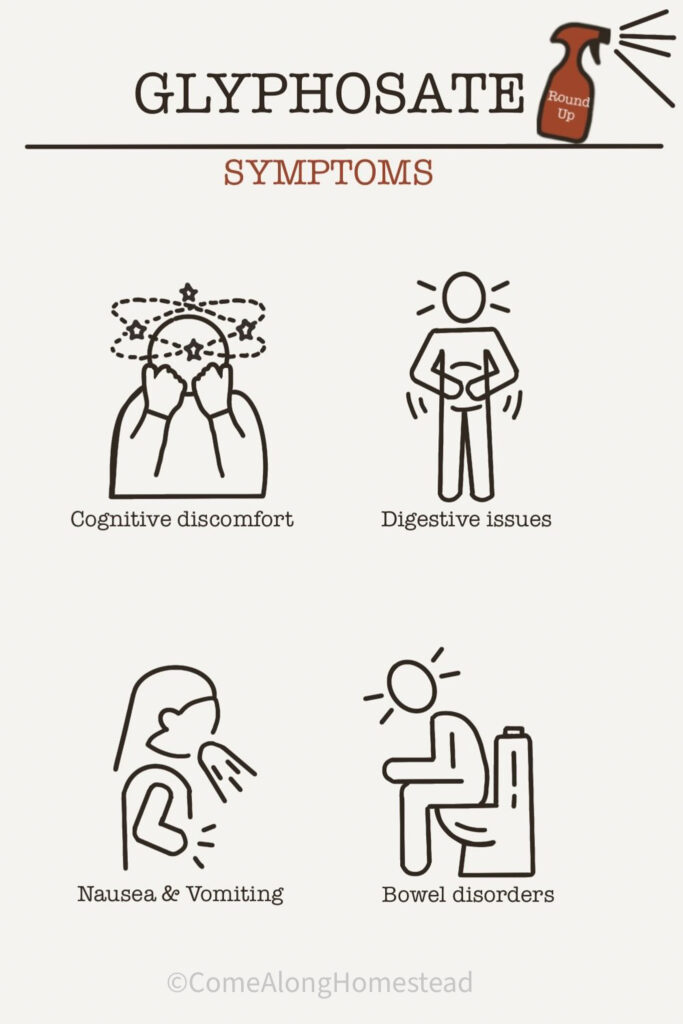
Recent research has shown that glyphosate exposure could be linked to a number of health issues. For example:
- Gut Dysbiosis: Glyphosate messes with the healthy bacteria in your gut, which can lead to digestive issues and imbalances in your gut microbiota. This can show up as things like bloating, constipation, or conditions like IBS and leaky gut.
- Gluten Sensitivity & Leaky Gut: Glyphosate is believed to make gluten intolerance worse. It can also damage the gut lining, allowing toxins and undigested food particles to enter your bloodstream. This can make gluten sensitivity even more intense.
- Nutrient Deficiency: Glyphosate also interferes with how your body absorbs nutrients. Over time, it can impair your ability to absorb important vitamins and minerals, like magnesium, zinc, and iron.
- Cancer Risks: The WHO’s International Agency for Research on Cancer (IARC) has classified glyphosate as “probably carcinogenic,” which means it has the potential to cause certain cancers.
After learning all of this, we started to rethink how we approached wheat in our home. We realized that glyphosate-free, freshly milled whole wheat could be a healthier option, and the results have been amazing.
Why Freshly Milled Whole Wheat?
So, why choose freshly milled whole wheat berries? Well, they’re packed with fiber, vitamins, and minerals—basically a nutritional powerhouse. Here are a few reasons why they’re such a great option:
- Gut Health: Freshly milled wheat supports a healthy gut microbiome and digestion, which is super important if you’ve been affected by glyphosate exposure.
- Heart Health: Whole wheat can help lower cholesterol and blood pressure, which reduces the risk of heart disease.
- Blood Sugar Regulation: The fiber in whole wheat helps stabilize blood sugar, making it a great option if you’re dealing with insulin resistance or diabetes.
- Brain Function: The B vitamins and magnesium in whole wheat are great for boosting energy, improving mood, and increasing mental clarity.
- Weight Management: Because of the fiber, you’ll feel fuller for longer, which helps curb cravings and prevent overeating.
And here’s the kicker: freshly milled whole wheat berries provide more nutrition than the processed gluten-free alternatives you’ll find at the store, which often lack these key nutrients.
Adam’s Journey: From Gluten-Free to Wheat-Loving
For years, Adam, my husband, struggled with all the classic symptoms of gluten intolerance—bloating, gas, skin issues, and digestive discomfort. Since there’s no definitive test for gluten intolerance, he did the elimination method. He cut out gluten for a while, then reintroduced it after a month to see how his body would react. The results were always the same: gluten made him feel awful. So, he decided to eliminate it from his diet completely.
For a long time, we searched for a satisfying bread alternative. But nothing really worked—until we found glyphosate-free, freshly milled whole wheat berries. Adam was curious but cautious, so he tried reintroducing whole wheat into his diet. To our surprise, he had no adverse effects! Unlike the other gluten-containing foods he had tried, he felt totally fine. It was honestly a bit of a miracle. That’s when we realized—it wasn’t gluten that was causing his symptoms – it was the glyphosate!
The Power of Glyphosate-Free Wheat: Sharing the Good News
Once we saw how well it worked for Adam, we couldn’t keep it to ourselves. We started telling friends and family about glyphosate-free whole wheat, and the results were just as amazing. A close friend and her mom, both of whom had struggled with gluten sensitivity, decided to try it too. And guess what? Her mom, who has a blood sugar monitor, reported that her levels stayed steady and normal even after eating the wheat. We were thrilled to hear this, and it made us even more passionate about spreading the word.
The Takeaway: It May Not Be the Gluten, It May Be the Glyphosate
So here’s the big takeaway: If you’ve struggled with gluten intolerance or digestive issues, it might not be the gluten that’s the problem—it could be the glyphosate. I know this might sound surprising, but if you’ve been dealing with discomfort, it’s worth considering whether glyphosate could be the real culprit. We encourage you to try glyphosate-free, freshly milled whole wheat and see how it works for you.
Get Started with Glyphosate-Free Wheat
If you want to try freshly milled whole wheat berries, I highly recommend buying glyphosate-free wheat from trusted sources—or even milling your own at home. It’s easy, and honestly, it’s worth it.
Why Try Glyphosate-Free, Freshly Milled Whole Wheat?
Here’s why it’s worth trying:
- Gut Health: It improves digestion and supports a healthy gut microbiome.
- Blood Sugar Stability: Helps stabilize blood sugar levels naturally.
- Better Nutrient Absorption: It allows you to enjoy the full nutritional benefits of wheat.
- Sustainable: It’s a cleaner, eco-friendly alternative to mass-produced wheat.
Key Takeaways:
- Glyphosate in commercial wheat could be causing many digestive issues, including gluten sensitivity and leaky gut.
- Freshly milled whole wheat can be a great alternative if you’re sensitive to gluten or dealing with digestive problems.
- Try glyphosate-free wheat berries to see if they help with your health issues, just like they did for Adam and our friend’s family.
By focusing on glyphosate-free wheat berries, we’ve seen huge improvements in gut health, blood sugar stability, and overall well-being. Best of all, we don’t have to rely on gluten-free substitutes that lack nutrients. Take control of your health and give freshly milled whole wheat a try!
Disclaimer:
The information shared in this post is based on our personal experiences and research. It is not intended as medical advice. While we’ve found glyphosate-free, freshly milled whole wheat to be beneficial for us, everyone’s body is different. If you have any health concerns, especially related to gluten sensitivity, wheat allergies, or any other medical conditions, we strongly recommend consulting with a healthcare professional before making changes to your diet. Always do your own research and listen to your body.
Resources:
Below is a list of resources, along with key quotes and ideas for each site, to give you a sense of what you can expect while conducting your own research. Keep in mind that many of these websites offer a wealth of information on the topic, so I encourage you to explore them further. As always, it’s essential to conduct your own research using reputable sources to ensure you’re well-informed and confident about what you’re putting into your body.
- PubMed – Glyphosate and Gut Dysbiosis
“Glyphosate exposure and its effects on gut microbiota.”
PubMed - Environmental Working Group (EWG) – Glyphosate Health Risks
“Glyphosate: The weed killer lurking in our food.”
EWG - Whole Grains Council – Health Benefits of Whole Wheat
“How whole wheat supports gut health and more.”
Whole Grains Council